Why Neighbourhood Restaurants Matter More…
Bistro Italiano


ELEGANT FOOD
JUNE 29, 2026
74 views
Why Neighbourhood Restaurants Matter More Than Ever (and What We Lose Without Them)
There's a particular kind of relief you feel when you realise you've got "your place" again.
Not a once-a-year, special-occasion destination. Not a chain you tolerate because it's easy. A neighbourhood restaurant you can rely on — on a Wednesday after work, on a slow Sunday, on the day you've been to Lyme Park and you're hungry in a real way.
In post-pandemic Britain, that kind of place matters more than it used to. And not just because it's nice to have somewhere local that does a proper plate of food.
Neighbourhood restaurants have become a quiet form of infrastructure — the warm, human layer that makes a town feel like it's doing well.
The Quiet Comeback: Why Local Places Feel Different Now
The last few years have changed how we spend our time. More people work from home some — or most — of the week. Many of us are more selective about where we go and what we spend on. And after a period where "going out" disappeared overnight, the places that reopened didn't just return. They had to earn their place in our routines again.
That's why neighbourhood restaurants are having a moment. Not the flashy ones. The ones built for real life.
A good local restaurant isn't trying to win a trend cycle. It's trying to be there, consistently, when you need it.
Neighbourhood Restaurants Do Jobs We Don't Talk About
When people talk about restaurants, they usually talk about food. Fair enough — food matters. But the reason a neighbourhood restaurant becomes loved is rarely just the menu.
It's the role it plays.
They Make Everyday Life Feel Looked After
A great local restaurant takes the edge off the week.
It's where you meet a friend without making a production of it. Where you can take your parents and know they'll be comfortable. Where you can have a late breakfast that feels like a small holiday, or a simple dinner that still feels like you've done something with your evening.
For busy professionals, that's not about extravagance — it's about confidence. Knowing you can walk in and it will be worth your time.
For retirees, it's about ease and warmth. Somewhere that feels welcoming without feeling like it's rushing you.
They Create "Third Places" That Aren't Transactional
We've lost a lot of the spaces that used to sit between home and work — places where you could be a regular without having to "join" anything.
Neighbourhood restaurants, especially the all-day kind, quietly fill that gap. Coffee in the morning. Lunch that doesn't feel like a compromise. A glass of wine early evening. A table that doesn't mind if you linger a little.
It's subtle, but it changes the feel of a town.
They Keep Money (And Pride) in the Area
Independent restaurants employ local people, buy from local suppliers where they can, and create a reason to stay local rather than drive into the city for every occasion.
That matters for places like Disley and the villages around it — communities that can easily become "sleep towns" if there's nowhere to gather.
When you support a good neighbourhood restaurant, you're not just paying for dinner. You're voting for the kind of place you want to live in.
The Chain Problem: Convenient, Consistent… and Forgettable
Chains aren't evil. They serve a purpose: predictable menus, broad appeal, quick decisions.
But there's a reason so many high streets feel interchangeable now. Chain dining tends to sand off the edges — the very things that make a place memorable.
If you've ever sat in a restaurant and realised you could be in any town in the UK, you've felt it: the sameness, the safe playlists, the menu that reads like it was designed by committee, the service that's polite but detached.
Neighbourhood restaurants are the antidote to that — not by being louder, but by being more human.
They have a point of view. They have regulars. They have staff who know the rhythm of the room. They don't need to be everything to everyone.
Not London, Not Hype: The Rise of Quality Outside the Big Cities
British food culture has changed, but the conversation still leans London-centric. The hype, the openings, the "must-try" lists.
Meanwhile, something quieter — and honestly more interesting — has been happening outside the big cities: people want quality close to home.
They don't necessarily want a tasting menu. They want a restaurant that respects ingredients, cooks properly, and serves with warmth.
And they want it without the performance.
This is where neighbourhood restaurants shine. They're not trying to impress strangers. They're trying to look after the people who come back.
What a Great Neighbourhood Restaurant Looks Like in 2026
So what separates a genuinely good local restaurant from one that's just... there?
Here are a few signs you've found the real thing.
All-Day Usefulness, Not Just Special-Occasion Dining
The best neighbourhood restaurants fit into your life.
They work for a morning coffee and something sweet. They work for brunch when you've got time. They work for a quick lunch that still feels like a treat. And they work for an evening meal that feels special without being stiff.
All-day Italian restaurants and similar places become anchors because they're present across the day, not just at the peak hours.
A Menu With Backbone (And Room for Regulars)
A great menu has identity. You can tell what the kitchen believes in.
In Italian cooking, that often means something simple but done properly: good olive oil, good tomatoes, pasta that's treated with respect, seasonal changes that make sense.
But it also means the menu isn't trying to be clever. It's trying to be satisfying.
And it leaves space for regulars — the people who come in often, who want to try something new sometimes, and who also want their favourites to stay put.
Warm Service That Doesn't Perform for Instagram
There's a difference between hospitality and theatre.
Good neighbourhood restaurants don't make you feel like you're interrupting. They don't upsell you to death. They don't treat a quiet table as a problem to solve.
They're confident. They're attentive. They're relaxed.
That kind of service is a differentiator now, because it's rare.
A Peak District Edge Case: When Locals and Day-Trippers Share a Table
Disley has a particular advantage: it's local, but it's also a gateway.
On any given day, you've got people who live nearby, people commuting up and down the A6, and people coming in from Greater Manchester to walk, visit Lyme Park, or spend a few hours in the Peak District.
That mix creates a unique opportunity for a neighbourhood restaurant.
Done well, it becomes the place that:
- Locals use as their default "let's go out" spot
- Commuters treat as a reliable pause point — coffee, lunch, early dinner
- Day-trippers discover once and then deliberately return to
The best version of this isn't a tourist trap, and it isn't exclusive. It's a room where different kinds of people can feel equally welcome.
Where Olivae Fits In (And Why That's the Point)
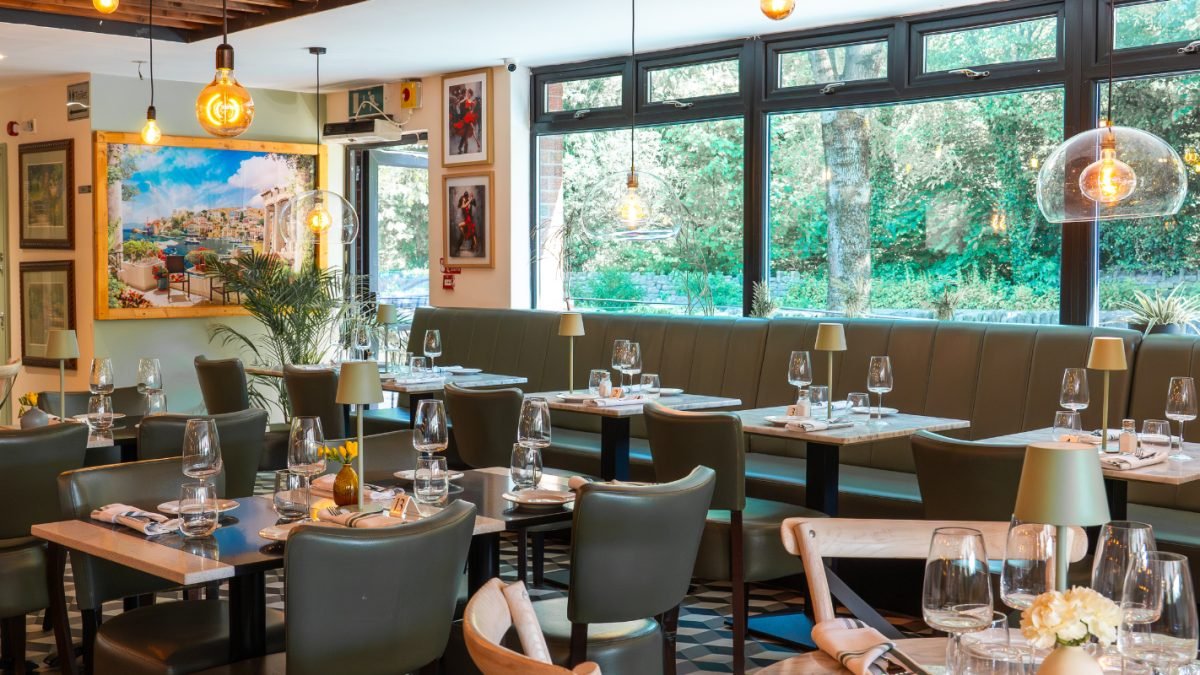
Olivae exists in that sweet spot: a warm, all-day Italian bistro on the edge of the Peak District, built for real life.
Not just for birthdays. Not just for date night. Not just for "when we're in the area."
The aim is simple: honest Italian food, served with the ease of a neighbourhood restaurant and proper attention to the people who walk through the door.
A real differentiator: all-day Italian, done with neighbourhood intent
Plenty of restaurants can do "Italian-ish." Plenty can do brunch. Plenty can do a nice dinner.
What's rarer is a place that can carry the whole day without losing its identity — morning coffee that feels unhurried, brunch that's genuinely satisfying, lunch that doesn't feel like an afterthought, and evenings that feel special without turning formal. You can see how that plays out across the à la carte menu, drinks and wine list, and dessert menu.
That's the neighbourhood difference: not chasing a single peak moment, but building trust across dozens of ordinary visits.
And in a world where so much hospitality is designed for one-off hype, that consistency is quietly powerful.
The Small Decision That Keeps a Place Alive
Neighbourhood restaurants don't survive on grand gestures. They survive on small, repeated choices.
Choosing to meet a friend locally instead of defaulting to the city. Choosing the independent place instead of the chain because it's "easy." Choosing somewhere you can be a regular — even if you only come once a month.
If you're looking for that kind of place in Disley — somewhere you can drop in for coffee, settle in for brunch, or make an evening of it — Olivae is here, all day. You can read more about the bistro and the people behind it on the about page.
One Simple Next Step
If this resonates, have a look at Olivae and see if it feels like your kind of place — then book a table for a day that suits you. Have a question first? Get in touch — the team's happy to help.
